
The Evolution of Sex Simulators: A Historical Perspective
The journey of sex simulators is as fascinating as it is complex, steeped in the collaborative weaving of technology, social norms, and human psychology. From rudimentary beginnings to the immersive experiences available today, these innovations have undoubtedly transformed the landscape of adult entertainment. Understanding their evolution not only highlights technological advancements but also reflects shifts in cultural attitudes toward sexuality and intimacy.
How Sex Simulators Began: The Early Days
The inception of sex simulators can be traced back to the late 20th century, coinciding with the rise of personal computing and early virtual reality (VR) concepts. Initially, these applications were limited in their capabilities, often relying on simple graphics and pre-set scenarios. Nevertheless, they marked the beginning of an era that would redefine how individuals engage with their sexuality in a digital realm. For example, early text-based interactive stories allowed users to navigate intimate narratives, providing seeds for what has now blossomed into a multi-faceted industry.
Key Milestones in Sex Simulation Technology
The evolution of sex simulators can be segmented into several key milestones. The introduction of 3D graphics in the late 1990s brought a new level of realism that previous iterations lacked. However, it wasn't until the rise of high-speed internet in the 2000s that sex simulators truly gained traction, enabling more interactive and engaging experiences. The incorporation of artificial intelligence (AI) in the mid-2010s allowed for personalization and adaptive learning, marking a significant leap forward. Today, we stand on the brink of even more advanced technologies that promise to enhance user interactions further.
Impact of Virtual Reality on Sex Simulators
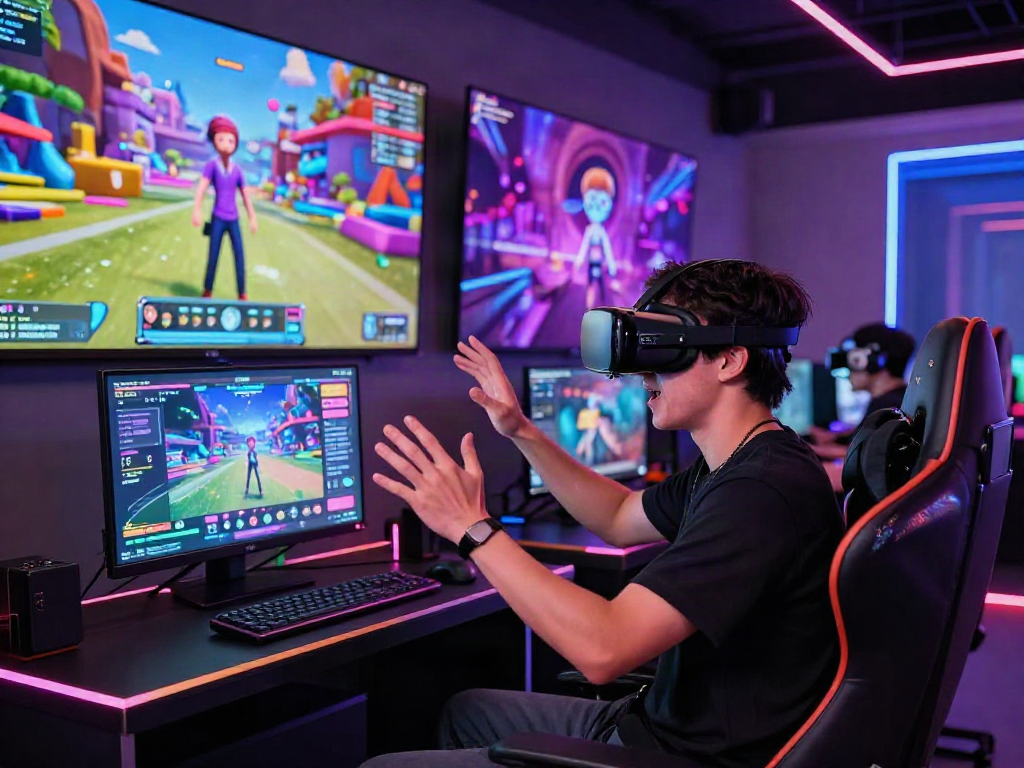
Virtual reality has played a pivotal role in revolutionizing sex simulators. The advent of VR headsets has enabled users to immerse themselves in fully realized environments, thereby enhancing the sensory experience of virtual intimacy. This technology allows users to engage with simulations that feel more 'real' than ever before, bridging the gap between fantasy and experience. The incorporation of haptic feedback devices has further enriched this interaction, allowing users to feel sensations that mimic real-life touch and movement.
Current Trends: What's Driving the Growth of Sex Simulators?
As we step into 2026, the growth of the sex simulator industry is being driven by numerous factors, including changing consumer demands and advancements in technology. The sophistication of these products has increased user engagement and acceptance, reshaping societal views on sexuality and virtual relationships. Additionally, innovations in hardware and software continue to push the boundaries of what is possible, creating opportunities for even more personalized and engaging experiences. When exploring options, sex simulator platforms offer a glimpse into the possibilities ahead.
Consumer Demand and User Engagement in 2026
Today’s consumers are more sexually liberated and tech-savvy than ever before, resulting in a significant rise in demand for adult entertainment solutions that are versatile, discreet, and immersive. Data suggests that nearly 40% of individuals aged 18 to 34 actively seek out sex simulators as a means to explore their sexuality. Factors such as anonymity, accessibility, and customization significantly enhance user engagement, making these platforms more appealing than traditional adult content.
Technological Innovations Shaping User Experiences
Technological innovations continue to shape user experiences in sex simulators. Features such as AI-driven characters that learn and adapt based on user preferences have transformed the dynamic of interaction. These advancements allow for increasingly sophisticated simulations, creating a more personalized experience tailored to individual desires. The integration of advanced graphics rendering engines has also contributed to a more immersive visual experience, bridging the gap between realism and fantasy.
Social Acceptance and Cultural Shifts Around Sex Simulators
The social acceptance of sex simulators has seen a marked increase as individuals become more open to discussing and exploring sexuality outside conventional norms. Cultural shifts have encouraged more open dialogues about sexual health and enjoyment, fostering a climate where such technologies are viewed as legitimate aspects of adult entertainment. This acceptance is partly driven by media representation and advocacy for sexual positivity, which seeks to destigmatize the use of technology in intimate experiences.
Exploring Features of Modern Sex Simulators
Modern sex simulators are equipped with an array of features designed to enhance user interaction and satisfaction. These platforms strive to create environments that replicate real-life intimacy while also providing unique experiences that real-life interactions may not offer. As advancements continue in this field, the possibilities for what can be achieved in virtual intimacy are expanding rapidly.
Customization and Personalization in User Interactions
One of the standout features of modern sex simulators is customization and personalization. Users can often select physical characteristics, personality traits, and specific scenarios, allowing them to create experiences that resonate with their fantasies. This level of personalization enhances user satisfaction and encourages repeat engagement, as individuals are more likely to return to a platform that caters to their desires accurately.
Advanced AI: Creating Realistic Experiences
The integration of advanced artificial intelligence is a game-changer in sex simulation, allowing characters to respond dynamically to user interactions. This technology not only makes the encounters more realistic but also fosters a sense of relational depth as users engage with responsive avatars that can express emotion and personality. Such innovations play a crucial role in bridging the gap between virtual and physical intimacy.
Integration with Wearable Technologies
Wearable technology is becoming an integral part of the sex simulator experience. Devices that track physiological responses can be connected to simulators, creating a more immersive and interactive experience. For instance, wearables that monitor heart rate, temperature, and even muscle contractions can influence the scenario in real-time, leading to uniquely tailored experiences that respond to the user's physical state.
Challenges and Controversies: The Dark Side of Sex Simulators
Despite the advancements and benefits of sex simulators, there are several challenges and controversies surrounding their use. Ethical considerations regarding consent, the impact of virtual relationships on real-life intimacy, and the potential for addiction are critical issues that need to be addressed as this industry continues to grow. These challenges require a balanced approach that considers both the technological possibilities and the societal implications of such innovations.
Ethical Considerations and User Safety
As with many emerging technologies, sex simulators must navigate a landscape filled with ethical considerations. User safety is paramount, particularly regarding the potential for misuse or harmful content. Developers are faced with the challenge of ensuring platforms foster healthy interactions while minimizing risks associated with mental health and dependency. Ethical frameworks and user guidelines are essential for cultivating a responsible adult entertainment ecosystem.
Addressing Misconceptions About Virtual Reality and Intimacy
Misconceptions about virtual reality and its implications for intimacy persist. Critics often argue that reliance on simulators may diminish real-life relationships, while proponents contend that these technologies can complement, rather than replace, genuine human connections. Open discussions about the potential benefits and drawbacks are essential for fostering a better understanding of how virtual experiences can coexist with real-life intimacy.
Regulatory and Legal Challenges in the Industry
The regulatory landscape for sex simulators is complex and often inconsistent across different jurisdictions. Issues around age restrictions, content regulation, and data privacy present significant challenges for developers. Navigating these legal frameworks is crucial for the industry's longevity and reputation, requiring collaboration between industry stakeholders, policymakers, and advocacy groups.
Looking Ahead: The Future of Sex Simulators Beyond 2026
The future of sex simulators is poised for even greater innovation as emerging technologies continue to reshape the landscape. With ongoing developments in AI, haptics, and virtual reality, the potential for increasingly immersive and meaningful experiences is virtually limitless. As societal attitudes continue to evolve, the market for these simulators is expected to grow, presenting both opportunities and challenges.
Emerging Technologies and Their Potential Impact
Future advancements in technology, such as brain-computer interfaces, could revolutionize sex simulators by enabling direct neural input. This could lead to hyper-realistic simulations that elicit genuine emotional responses and physical sensations. The implications of such technology are profound, opening new avenues for exploring intimacy, pleasure, and human connection.
Predictions for User Engagement and Market Trends
As the technology evolves, user engagement is expected to shift towards more interactive and community-driven experiences. Future platforms may include social features that allow users to connect, share experiences, and collaborate on scenarios. This trend towards community building may foster deeper relationships among users, integrating social interaction into the virtual experience.
Expert Insights: What Industry Leaders are Saying
Industry experts predict that sex simulators will become a mainstream component of sexual wellness and education. As the stigma surrounding these technologies diminishes, educational institutions and healthcare professionals may incorporate simulators into discussions on sexual health, ethics, and consent. This shift could validate the role of sex simulators as valuable tools in promoting sexual wellbeing.
What Are the Long-Term Implications for Relationships?
The long-term implications of sex simulators for relationships remain a subject of considerable debate. Many experts suggest that, when used responsibly, these technologies can enhance intimacy by offering new means of exploration and communication between partners. However, there are concerns that dependency on virtual experiences may lead to an imbalance in real-life relationships. Open conversations and education about healthy use will be crucial in navigating these uncharted waters.
FAQs About Sex Simulators
What are the best sex simulators available today?
Some of the best sex simulators available currently include platforms that offer highly customizable experiences, realistic graphics, and fully interactive scenarios. Emerging technologies in VR and haptic feedback are expected to continue raising the bar for user experiences.
How do sex simulators enhance intimacy and relationships?
Sex simulators can enhance intimacy by providing couples with tools to explore fantasies and communicate desires in a safe environment. They can also serve as educational tools, helping partners understand each other's preferences.
Are there risks associated with using sex simulators?
While sex simulators can offer many benefits, risks such as addiction, distorted perceptions of intimacy, and potential impacts on real-life relationships exist. Responsible usage and open dialogue about these technologies can mitigate these risks.
What advancements can we expect in sex simulators in the next few years?
Advancements in sex simulators over the next few years may include the integration of more sophisticated AI, improved haptic technologies, and developments in immersive VR experiences that promise to redefine user engagement.
Can sex simulators replace real-life intimacy?
While sex simulators offer unique experiences, they are generally viewed as complementary to real-life intimacy rather than replacements. The depth of emotional connection and physical interaction that comes with human relationships cannot be fully replicated in a virtual setting.