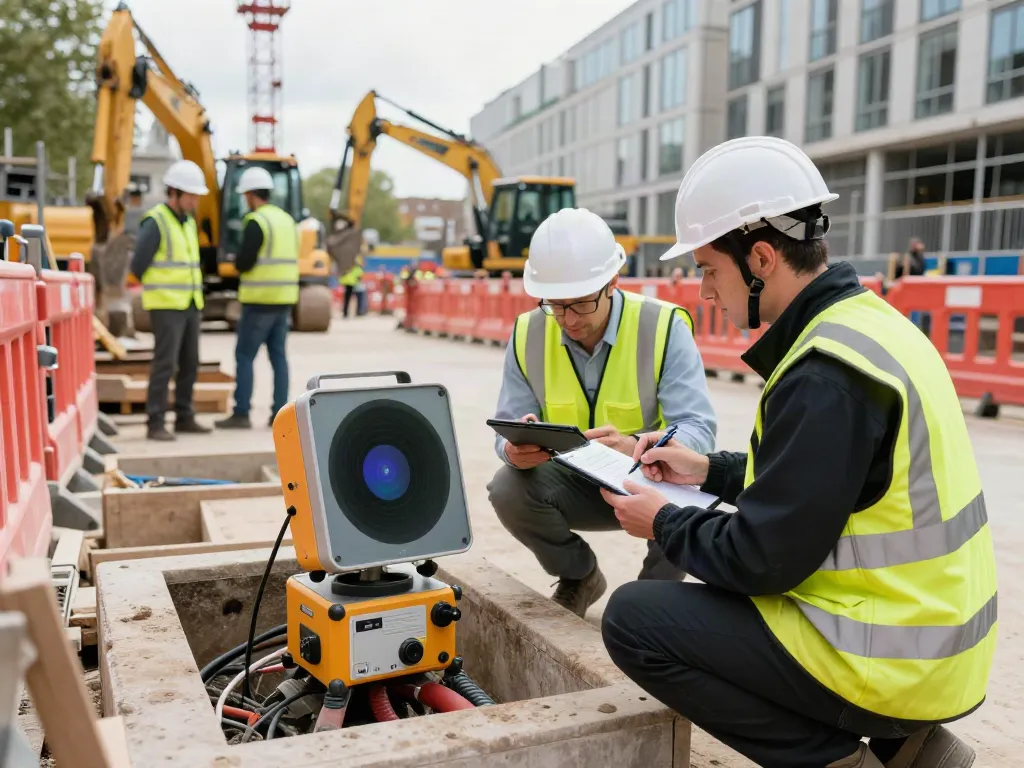
The Importance of Utility Surveys in London
Utility surveys are critical in the bustling metropolis of London, where numerous underground systems coexist beneath the surface. Given the city's intricate network of utilities, including water, electricity, and gas, having accurate information before commencing construction or renovation projects is paramount. Failure to account for existing underground infrastructure can lead to costly delays, safety hazards, and significant financial loss. Therefore, understanding the role of utility surveys becomes essential for developers, contractors, and property owners. When exploring options, Utility Survey London provides comprehensive insights into managing these critical aspects effectively.
What is a Utility Survey?
A utility survey is a detailed investigation aimed at identifying, mapping, and documenting underground utility services such as gas, water, electricity, telecommunications, and drainage systems. These surveys employ various techniques, including Ground Penetrating Radar (GPR) and electromagnetic locating, to ensure that the data collected is not only accurate but also reliable. In urban areas, the complexity of the subsurface landscape necessitates a thorough survey to prevent disruption during excavation or construction activities.
Benefits of Conducting Utility Surveys
- Risk Mitigation: Utility surveys reduce the risk of accidental damage to existing utilities, which can lead to hazardous incidents and expensive repairs.
- Informed Decision-Making: Developers and contractors benefit from detailed utility mapping, enabling better planning and execution of projects.
- Regulatory Compliance: Many local authorities require utility surveys to ensure compliance with construction and health regulations.
- Cost Savings: Identifying the location of utilities beforehand can help avoid unforeseen costs related to repairs and project delays.
Common Misconceptions About Utility Surveys
Despite their importance, some misconceptions surrounding utility surveys persist. One common belief is that utility surveys are only necessary for large-scale projects. However, even smaller development projects can benefit greatly from understanding what lies beneath the surface. Another misconception is that all utility surveys yield the same results. In reality, the accuracy and effectiveness of a survey can vary significantly depending on the methods employed and the expertise of the surveying company.
Types of Utility Surveys Available
Ground Penetrating Radar (GPR) Explained
Ground Penetrating Radar (GPR) is one of the most effective tools used in utility surveying. Utilizing radar pulses, GPR can detect and map underground structures, providing real-time imaging of the subsurface. This method is particularly effective in urban environments, where access may be limited, and precision is crucial. GPR can help uncover a variety of utilities, including non-metallic pipes, which may be missed by traditional electromagnetic methods.
Electromagnetic Location Techniques
Electromagnetic location techniques involve sending an electromagnetic signal through conductive materials to locate and trace underground utilities. This method is best suited for metallic pipes and cables. By using a transmitter and receiver, surveyors can pinpoint the exact location and depth of underground utilities. Combining GPR with electromagnetic techniques often yields the most comprehensive results, ensuring all types of utilities are accounted for during a survey.
Choosing the Right Survey Type for Your Project
When deciding on the type of utility survey for a particular project, it's crucial to consider multiple factors, including the site specifics, the type of utilities present, and the project scope. Engaging experienced professionals who can assess your unique requirements and recommend the appropriate survey type can significantly enhance project outcomes. Understanding the limitations and strengths of each survey method will enable stakeholders to mitigate risks and save on costs.
Challenges in Utility Surveying and How to Overcome Them
Identifying Underground Services
One of the main challenges in utility surveying is the identification of existing underground services. In older cities like London, historical records may not accurately depict current utility locations. To overcome this, employing advanced technologies such as GPR and engaging local utility providers to cross-reference their records is essential for ensuring accuracy.
Common Obstacles in Urban Areas
Urban surveying often presents unique obstacles, including high levels of noise, limited access, and congested subsurface areas. Surveyors must adapt their methodologies to address these challenges, often requiring tailored approaches to gather data accurately. Investing in advanced equipment and techniques can greatly facilitate this process and lead to more reliable outcomes.
Best Practices for Avoiding Survey Errors
To minimise errors during utility surveys, several best practices should be followed:
- Conduct thorough pre-survey research to understand existing utility maps and plans.
- Work closely with local authorities and utility companies to gather as much information as possible.
- Utilise a combination of survey methods to cross-verify findings.
- Incorporate advanced technology that enhances data accuracy and reliability.
Case Studies: Successful Utility Surveys in London
Public Infrastructure Improvements
An example of a successful utility survey can be seen in public infrastructure improvements across London. Recent surveys conducted prior to roadworks have identified previously unknown utility lines, significantly reducing the risk of disruption and ensuring public safety.
Commercial Building Projects
In commercial developments, deploying comprehensive utility surveys has allowed contractors to streamline construction processes. By having precise data regarding the location of utilities, construction teams can avoid costly delays and plan work effectively, ultimately enhancing profitability.
Residential Developments and Their Needs
Residential projects have also benefited from utility surveys. Homeowners and developers can better understand their plots, allowing for effective landscaping and construction planning. Utility surveys help homebuilders create safe living environments without the unforeseen pitfalls that can arise from underground utilities.
Future Trends in Utility Surveying
Innovative Technologies in 2026
The utility surveying landscape is evolving rapidly with advancements in technology. By 2026, technologies such as drones equipped with GPR and AI-driven data analysis tools are set to revolutionise the industry. These innovations will allow surveyors to collect data more efficiently and produce accurate maps with minimal human intervention.
Sustainable Practices in Surveying
As sustainability becomes increasingly important, utility surveying practices are also shifting towards eco-friendliness. Implementing non-invasive survey techniques, as well as utilising renewable energy sources for equipment, will contribute towards greener operations in utility surveying.
How Utility Surveys Will Evolve in the Coming Years
In the coming years, it is anticipated that the demand for utility surveys will increase due to urbanisation and infrastructure needs. The integration of smart technology and real-time data analysis will transform how utility surveys are conducted, making them faster and more accurate than ever.
What is the cost of a Utility Survey London?
The cost of utility surveys in London can vary widely based on the type and extent of the survey required. Generally, prices can range significantly but expect to pay more for comprehensive surveys that include multiple types of detection methods.
How long does a Utility Survey typically take?
The duration of a utility survey often depends on the site size and complexity. Simple surveys can be completed within a few hours, while extensive surveys on larger sites might take several days to ensure thoroughness and accuracy.
Who are the best utility survey companies in London?
London hosts numerous reputable utility survey companies, each offering a range of services tailored to different project needs. When selecting a company, consider their experience, technology used, and past project successes to ensure optimal outcomes for your surveying needs.